

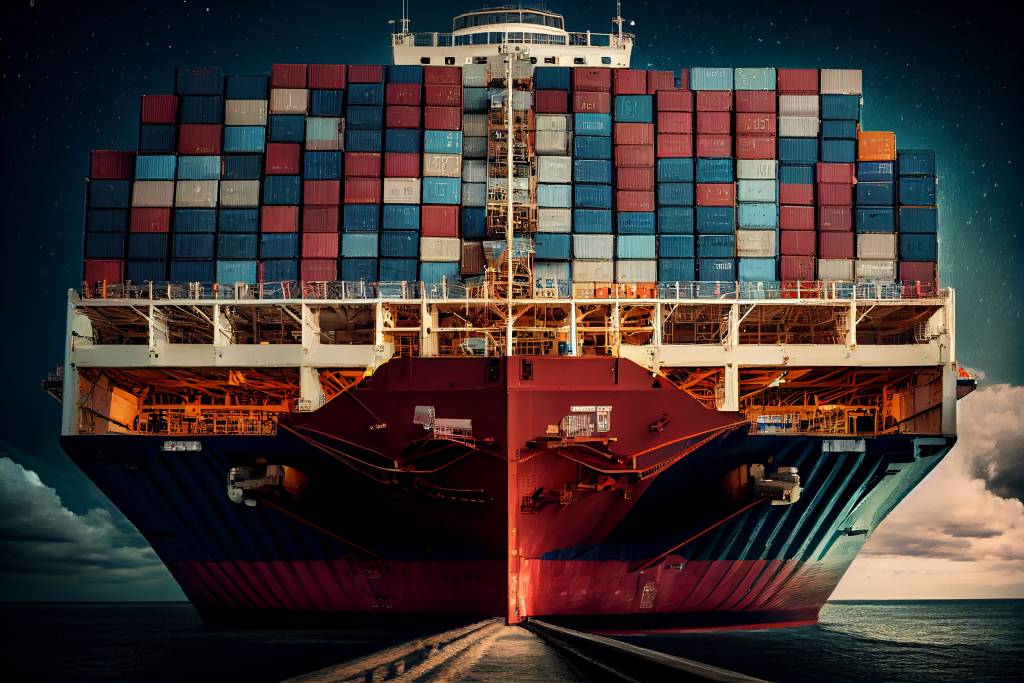
Global trade relies heavily on the shipping industry. As technological advancements happen across most industries, it looks like the shipping industry is not going to be left behind. The drive for more safety, sustainability and greater efficiency has seen this sector increasingly turning to robotics and artificial intelligence (AI) in order to optimize operations and face the challenges of an increasingly technological world.
AI for Smarter Shipping
Various aspects of the shipping industry have seen the implementation of AI, from vessel route optimization and maintenance prediction to enhancing decision making and automation of port operations.
- Smart Fleets: Machine learning algorithms can be used to optimize routes and reduce emissions from fuel consumption by analyzing data from various sources like weather patterns, GPS and port congestion data. Some companies, such as Sea Machine Robotics are coming uo with innovative and amazing ideas and developments such as a fully automated control system that lets ships operate with less crew members or even unmanned in some situations.
- Predictive Maintenance: AI helps predict when and where vessel components might fail. By analyzing sensor data and historical trends, potential issues can be identified before the occur, minimizing downtime and repair costs. Platforms like those offered by Wärtsilä and Rolls Royce utilize AI for just this purpose.
- Enhanced Decision Making: AI-powered systems can assist crews in making informed decisions by processing vast amounts of data in real-time. This is particularly valuable in complex situations like navigating through congested waterways or responding to emergencies.
Robotics: Automating Ports and Docks
Robotics is playing a crucial role in automating tasks, improving safety, and increasing efficiency in ports and onboard vessels.
- Automated Guided Vehicles (AGVs): AGVs are revolutionizing container handling in ports. These driverless vehicles can transport containers between ships and storage areas, optimizing trafiic flow and reducing human error. Companies like Kalmar and Konecranes are leading the way in AGV development and implementation.
- Robotic Arms and Cranes: Robotic arms are being used for tasks like loading and unloading cargo, welding, and painting. These robots can work in hazardous environments, improving safety for human workers.
- Underwater Robots: Remotely Operated Vehicles (ROVs) are used for underwater inspections, maintenance, and repairs, reducing the need for divers and improving safety in challenging underwater conditions.
- What it Means for Small Developing Countries
- The rise of AI and robotics in shipping presents both opportunities and challenges for small and developing countries such as the Maldives. On one hand, these technologies can help level the playing field by reducing transportation costs and improving access to global markets. AI-powered logistics optimization can help smaller players compete more effectively by streamlining their supply chains and reducing operational expenses. However, these countries may also face difficulties in adopting these advanced technologies due to limited infrastructure, financial constraints, and a lack of technical expertise.
Challenges and Opportunities
While the adoption of robotics and AI offer significant benefits, the industry also faces challenges such as:
- High Implementation Costs: Integrating new technologies requires significant investment, which can be a barrier for some companies.
- Data Security Concerns: The increasing reliance on data sharing raises concerns about cyber security and the need for robust data protection measures.
- Regulatory frameworks: The development of clear regulations for autonomous vessels and AI systems is crucial to ensure safety and responsible implementation.
Despite these challenges, the future of shipping is intertwined with robotics and AI. As technology continues to advance in the years to come, we can expect even greater levels of automation, efficiency, and sustainability.
References
https://www.ship-technology.com/buyers-guide/ai-companies-shipping-industry
https://kalelogistics.com/usa/2024/06/20/the-key-role-of-ai-automation-and-robotics-in-port-efficiency
https://knowhow.distrelec.com/transportation/sailing-into-the-future-with-ai-in-shipping/

