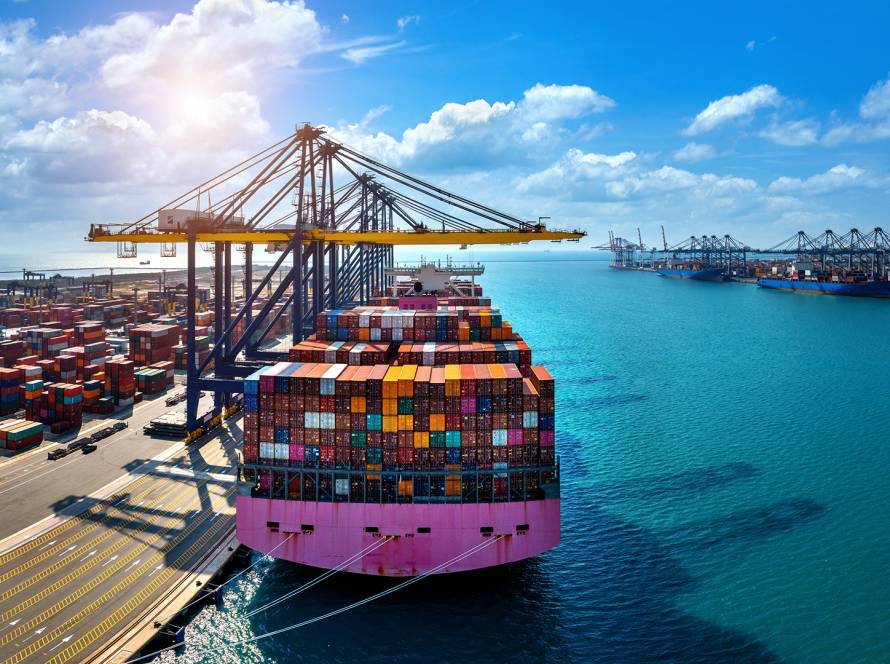
Maritime operations face several challenges such as errors in documenting, labeling, improper loading and unloading of goods.
Thus, in handling international shipments, precise planning is critical. The Bill of Lading serves as a record for goods received onboard and helps streamline operations when transporting goods
What is a Bill of Lading?
The Bill of Lading is a legally-binding document that contains relevant details about the nature of goods being shipped, summarizing terms and conditions for a specific shipment involved and other special instructions that are necessary to be followed, amongst others.
In layman terms, this document provides information about the type of goods being sent via cargo, who it is from and whom it is being sent to as well as where it is going.
It typically contains:
- Name of the Shipper
- Name of the Consignee
- Port of Loading and Discharge
- Date of Issue
- Shipping Information (port of loading and discharge, vessel and voyage number, destination)
- Cargo Information (packaging used, weight, volume, number of cartons, container number and size, etc.)
- Freight Amount and Payment Terms
- Special Instructions
Understanding that there are several types of this document such as House Bill of Lading, Ocean Bill of Lading and Through Bill of Lading, is important. Negotiable and non-negotiable Bill of Lading documents exist and are privy to different conditions or circumstances.
What are the Functions in Bill of Lading?
This document acts as a foul-proof agreement between the shipper and the carrier as:
Proof of Receipt- confirming the goods have been received in good condition and described are in line with consignee’s requests in the event of any damage, etc.
Proof of Title – that secures ownership by the carrier to release goods. (Includes endorsements by several signatories along number of routes to signify ownership of cargo)
Proof of Contract – understanding obligations to move goods through a logistics company
Who are the Parties Involved?
Carrier – a logistics company transporting goods
Shipper (also known as Consignor) – vessel owners or suppliers who own goods
Consignee – the buyer or one who purchased the items
Why is a Bill of Lading Important?
This document serves as a guarantee to the consignee that the goods will not be delivered to another party.
It can also be used for claims in events of force majeure or in matters of theft.
Furthermore, this document can further assist customs brokers to make accurate declarations for the goods, during clearance.
This Bill of Lading is as important for the consignee as much as it is for the shipper and carrier. Were the buyer keen to take over the arrangement for themselves, the original copy of this document would still be the most priority requirement in order to carry on the process, individually.
When is a Bill of Lading Issued?
The Bill of Lading is issued at the time of loading a particular vessel, prior to it’s departure for international transit.
An important piece of document that warrants further inspection if unpresented upon entry of shipment into a port, the Bill of Lading serves multiple purposes for entities involved.