

International shipping forms the indispensable backbone of global trade, facilitating the movement of goods across vast distances and connecting economies worldwide. Responsible for transporting the vast majority of globally traded products—estimates suggest between 80% and 90% by volume—it allows countries to access raw materials, components, and finished goods that are not readily available domestically. This intricate network of sea, air, and land transportation enables businesses to leverage global supply chains, optimize production costs, and reach diverse consumer markets, ultimately driving economic growth and fostering international cooperation. Without efficient international shipping, the interconnected global economy as we know it would simply not exist.
The landscape of international shipping is continuously evolving, shaped by a complex interplay of factors. Key challenges include navigating intricate regulatory frameworks, adapting to fluctuating fuel prices and operational costs, and mitigating the impact of geopolitical instability and supply chain disruptions. Events such as port congestion, labor shortages, and unexpected re-routing due to natural disasters or conflicts can significantly impact transit times and costs. Furthermore, the industry faces increasing pressure to enhance sustainability, leading to investments in greener fuels and more environmentally friendly shipping practices to reduce its carbon footprint.
Technology has revolutionized international shipping logistics, bringing unprecedented levels of efficiency, transparency, and responsiveness. Innovations like real-time tracking via GPS and IoT sensors allow for precise monitoring of shipments, providing valuable data on location, temperature, and other crucial conditions. Artificial intelligence (AI) and machine learning (ML) are being employed for demand forecasting, route optimization, and warehouse automation, leading to smarter decision-making and reduced operational costs.9 Blockchain technology is also emerging as a tool to enhance transparency and security in supply chain transactions, reducing fraud and streamlining documentation.
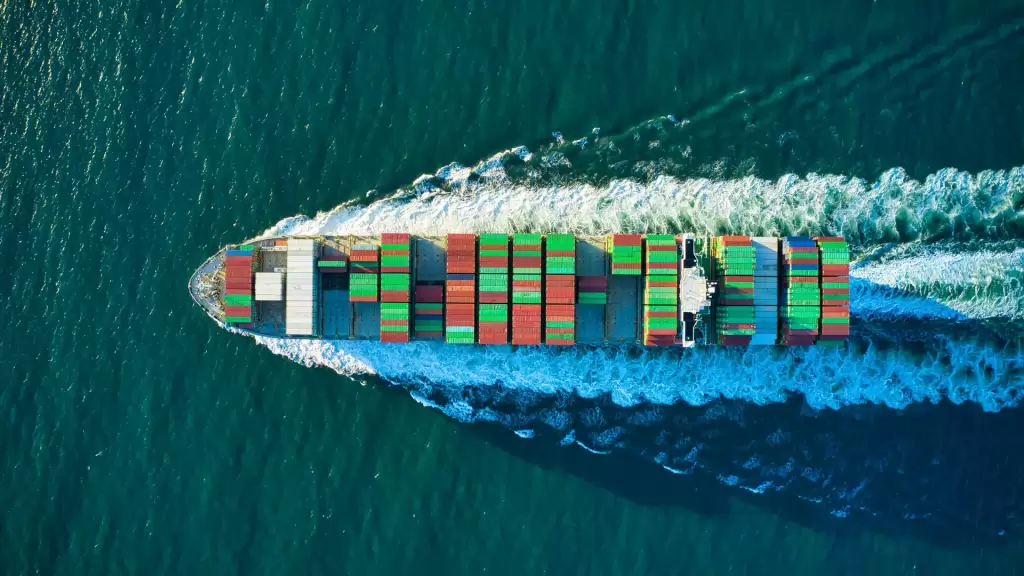
The most common modes of international shipping are sea freight, air freight, and increasingly, multimodal transport that combines various methods. Sea freight remains the most cost-effective solution for large volumes of non-urgent cargo, utilizing massive container ships to traverse oceans. Air freight, while more expensive, offers unparalleled speed for time-sensitive or high-value goods. Land freight, primarily by truck or rail, serves as a crucial component for domestic distribution and connecting to ports and airports.The choice of shipping mode often hinges on a balance between cost, speed, cargo size, and the specific requirements of the goods being transported.

