A conundrum that many businesses often face, this question is most reasonably answered upon proper inspection. Nonetheless, it is a question worth asking.
We have compared both channels on several key factors to help you make a well-informed decision.
Defining Air Freight vs. Sea Freight
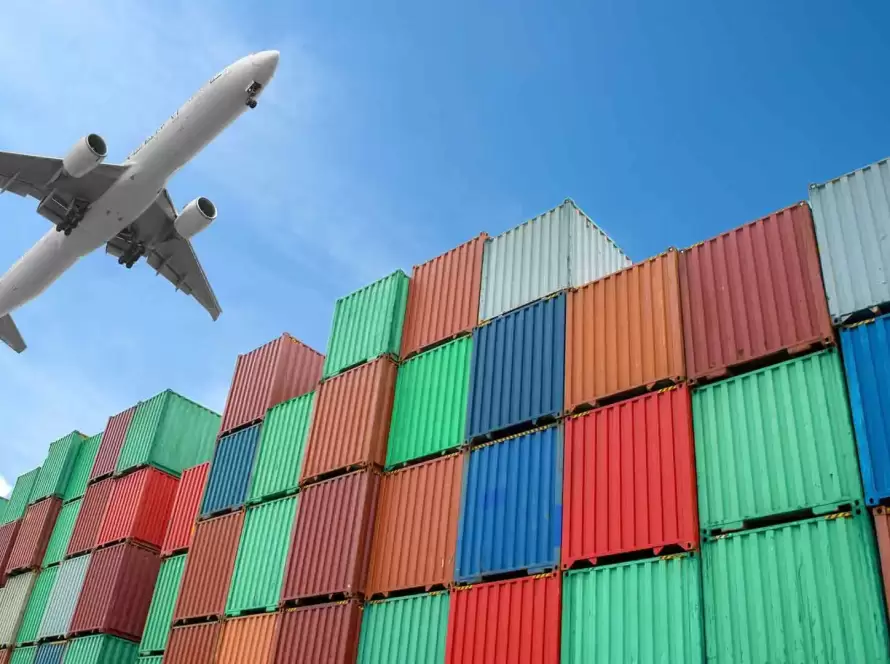
Otherwise known as air cargo, air freight generally refers to goods transported in commercial planes or chartered cargo-carrying aircrafts, that fly directly to the desired locations bypassing many delays that traditional methods of sea freight do not allow. It can cover a wider range of originals and destinations than sea freight can naturally allow.
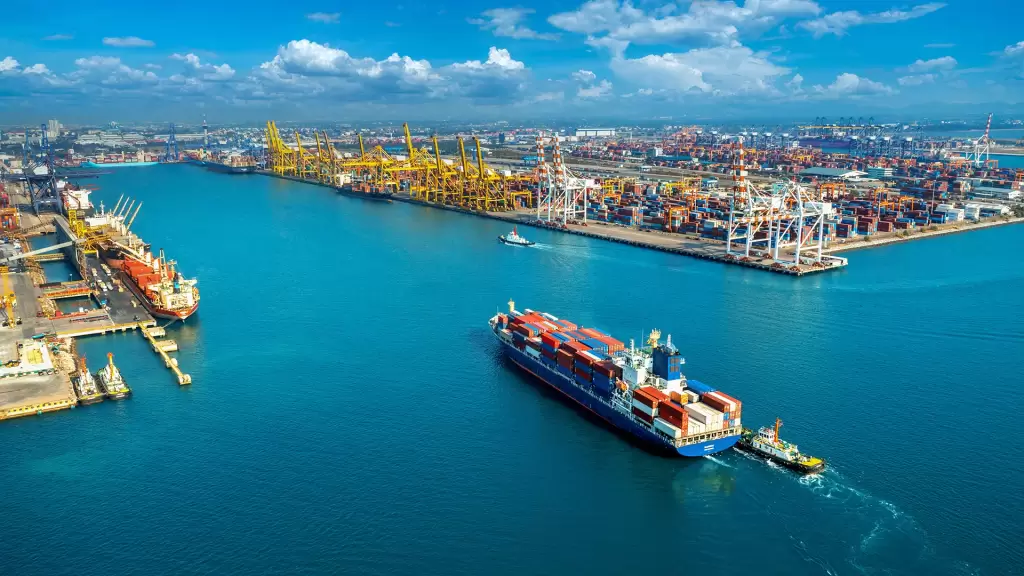
A most traditional form of transporting goods, ocean freight most commonly accommodates the movement of goods in a vessel, packed and loaded into a container, which is then shipped to desired destination.
Expenses
Synonymous with offering value and capacity onboard, sea freight is typically calculated on price per container basis, making it a more cost-effective option. This method can accommodate bulk shipments and larger volumes of cargo including heavy goods.
Due to its ability to deliver goods exceptionally fast, air freight is more costlier than sea freight. It is best considered when the cost of shipping is less than 20% of the value of goods, to avoid high charges. For cargo that requires extra security, this route would be the most ideal. This is because in sea freight shipments, the risk of theft and damage to goods especially during handling at different ports is likely to be higher than that of air cargo where security checks and monitoring takes place more closely and systematically.
Interestingly, when shipping smaller packages less than a full container’s load via sea freight, the expenses become costlier as packages are then calculated in cubic meters. Thus, the weight and volume of goods should be taken into account when considering the cost-effectiveness of choosing either mode.
Type of Goods
Another distinction to make when choosing the nature of transport are the type of goods that are at your disposal.
Airlines have to follow strict regulations that vary across countries and security protocols. Prohibitions on hazardous goods as well as packaging restrictions; for example corrugated fibreboard boxes should therefore be taken into consideration.
Restrictions on items such as magnetic substances, toxic or corrosive substances such as batteries or flammable items including biochemical products or chemical medicines would also limit some businesses from opting for air cargo.
Time Efficiency
Time is of the essence; even more so when you’re a business entity. Meeting deadlines will require a steady plan or a timeline to dictate which best decisions will help meet the outcome desired. That said, air cargo provides real time departure and arrival information, critical for businesses. Cargo can be delivered within days, as opposed to sea freight that often requires weeks to reach. In worst case scenarios, multiple flights run within a day that could act as a backup, if the initial flight were to be missed for any reason.
As for sea freight, additional transportation by land to reach the endpoint may cause hindrances and unforeseeable delays in custom clearance and port holdups could cause further halt. However, expedited LCL shipments are gaining momentum, and do offer faster deliveries and guaranteed dates for container shipments.
Weather Conditions
It is important to note that air cargo is, however, more sensitive to weather conditions than sea freight. Airlines may opt for different routes or alternate dates to work around unpredictable weather conditions, for the safety of crew, passengers and also to avoid cargo damage.
On the other hand, sea freight is far less affected by weather upheavals.
Environmental Impact
Percentage of fuel consumption and emissions play a big role in matters of sustainability. Environment-conscious businesses are always looking for ways to lower their carbon footprint.
Flights emit 500 grams of carbon dioxide per metric ton of freight per kilometer of transportation. CO2 emissions from ocean freight are considerably lower than that of air crafts.
Ultimately, choosing the best mode for your business needs depends on navigating through priorities as well as practicality.