Understanding the jargon of abbreviations and acronyms used within the shipping industry is critical to a smooth-sail of operations. We have noted down common terms below to help you recognize the language of freight.
BOL – Bill of Lading is the most important document between the shipper and carrier and it serves legal value. It contains the details of goods, and other necessary information to help reach the intended recipient in good condition.
BSR – Base Shipping Rate includes fuel charges and operations costs and is a fixed cost charged for the transport of goods from one point to another
CBM – an important denominator in cargo, the Cubic Metre Calculator helps shippers to accurately determine cost to the weight of a shipment
DG – Dangerous Goods are those items that are forbidden to be married in the cabin or check-in such as explosives, flammables, corrosives amongst others
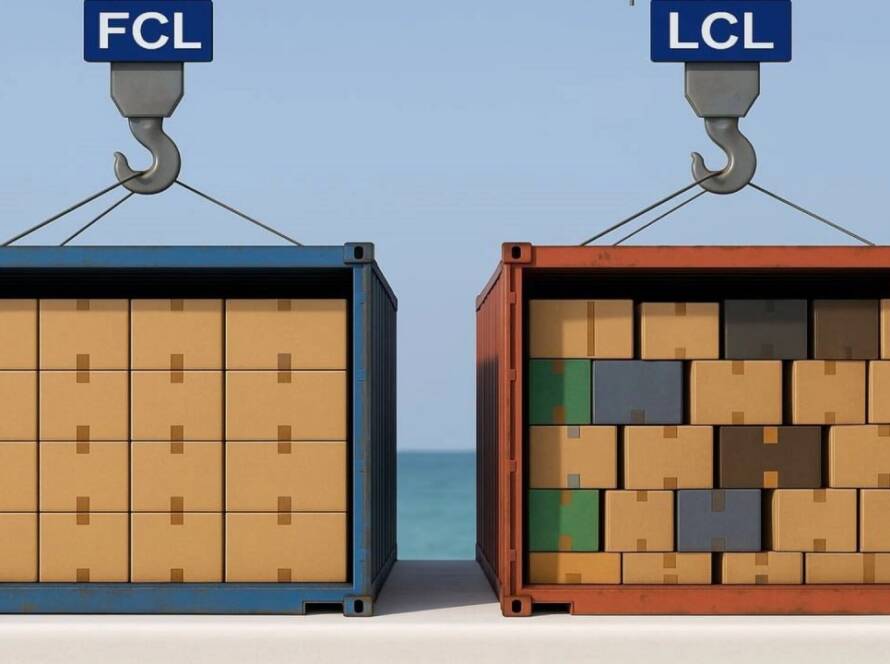
FCL – Ful Container Load or FCL is a single container booked exclusively by shipper to transport cargo and assists in bulk shipments
FOB – Free on Board is a term that puts the ownership of liability either to buyer or seller regarding the goods in question
FSC – Fuel Surcharge refers to additional fees by shipping companies depending on changes in fuel price
LCL – Loose Container Load of LCL is when a single container contains goods by multiple parties or buyers with different Bills of Lading, due to the volume of package
OOG – Out of Gauge cargo refers to cargo that extends beyond the normal 40ft cargo container and have irregular dimensions that complicates transport
OS & D – Refers to Over Short and Damaged goods that occur due to discrepancies in quality and condition of goods found as opposed to the buyer/seller agreement
PG – Perishable Goods are prone to easily decay and commonly include meat, poultry, fish, dairy products and have to be handled with care
POD – Proof of Delivery if a legal document that acts as evidenceof goods delivered
TEU – Twenty-foot equivalent unit quantifies cargo to evaluate the capacity and volume of a container
3PL – or third-party logistics are outsourced brokerage service providers and can assist in supply chain operations