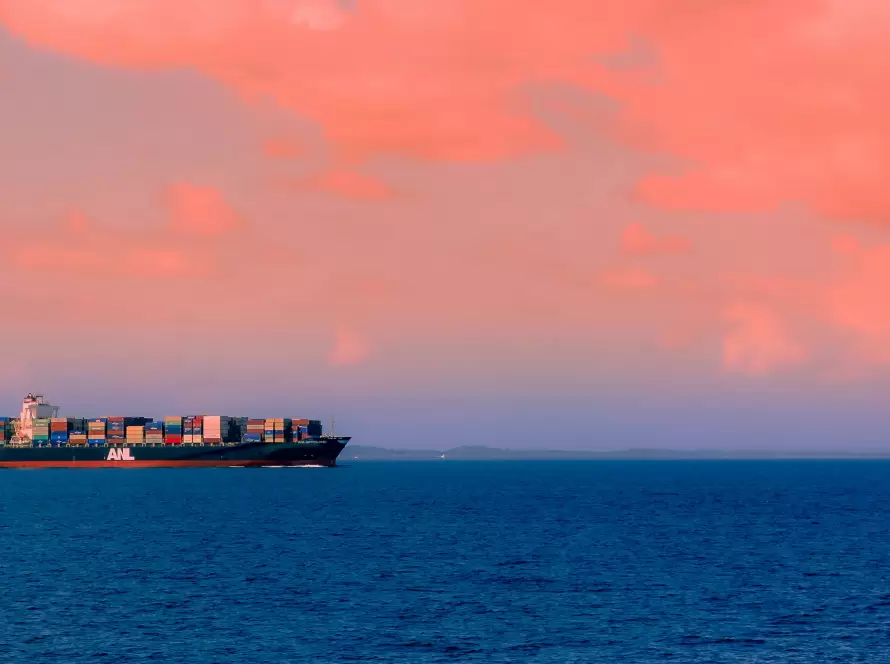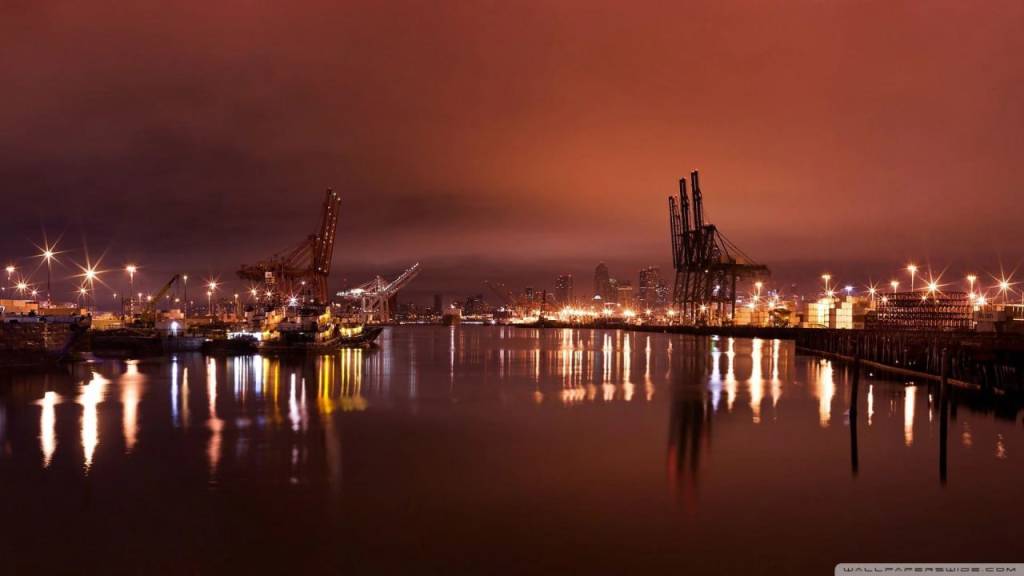
Sea faring brings with it many negative effects on the environment. One such effect is the use of excessive lights. This can disrupt marine ecosystems, disorient the patterns of nature and wildlife, in turn threatening the delicate balance of ocean life.
Light pollution is the scattering of excess light from man made sources into the environment which in turn blocks the view of stars and planets and disrupts multiple natural cycles. Multiple marine animals are affected by this kind of pollution, most of which we are unaware. From Zooplankton, to sea birds, here we take a look at some of the adverse effects light pollution from coastal areas and ships have on the marine life.
Turtles are one of the main species that face problems due to light pollution. Their nesting locations are significantly impacted by artificial light from coastal cities at night. Turtles find it difficult to find a suitably dark beach on which to lay their eggs. A study in the Journal of Photochemistry and Photobiology B shows that light pollution reduces the nesting success rate of Loggerhead turtles by 20-30% depending on the colour of light that is causing pollution. Darker colors seem to have the least effect on nesting success rate. Once the eggs hatch, if they do at night, hatchlings look for the horizon and find the water in that way, but due to light from coastal places, they get confused and move away from the safety of the water where they either run into predators or die of exhaustion.
Clownfish also suffer from adverse effects of light pollution. The survival rate of baby clownfish raised under artificial lights near the coast was found to be 44% lower than that of clownfish raised farther out in the sea under natural light, according to a study published in Royal Society B.
The base of aquatic food chains, zooplankton, are susceptible to artificial light in their nocturnal habitats as well. Lights from vessels travelling at night penetrate the ocean surface and pushes zooplankton to move to areas with deeper water. Studies have demonstrated that even at depths of 200 meters or more, zooplankton behavior is impacted by light pollution from ships. Species such as the Yelkouan Shearwaters, which make nests in caves of limestone cliffs and approach their nests under cover of darkness to avoid predators, are under threat of extinction due to light pollution during processes like fuel transfer between ships. This process requires ships to be heavily lit so as to ensure safety. This process has caused Shearwaters to abandon breeding colonies on the cliffs of Malta.
Its not just fish that take all the brunt of negative effects from light pollution.
Light pollution also causes determents to the development of coral reefs, which is detrimental to the habitat and food chain of many marine animals. Corals follow the lunar light cycle when releasing their eggs and sperm into the water. Light pollution can cause corals to spawn at a time that is less favorable for fertilization. The erratic spawning and decreased reproductive success pose a threat to the longevity and well-being of coral reefs. Artificial lights at night often cause confusion in seabirds even, which can result in collisions with other vessels (vessel strikes). Seabirds may become contaminated by chemicals on deck, such as fuel or oil, after vessel strikes. This results in a lack of waterproofing and drowning. A study conducted by Greenland Institute of Natural Resources in winters between 2006 – 2009 shows that there were 42 light induced collisions of birds with vessels in Southwest Greenland. Rainy and foggy evenings have the highest danger of vessel strike.
Ways Businesses Can Reduce Effects of Light Pollution
- Implementing stricter regulations regarding lighting in shipping and port operations can help control light pollution. This may include guidelines on the type, intensity, and direction of lighting used.
- For operations that take place at night, companies can choose to refrain from making needless movements or activities or, get rid of any extra lights that are not urgently needed. Switching to energy-efficient LED lights is another way. They are designed to emit less light in specific directions, minimizing unnecessary brightness in marine environments.
- Raising awareness among shipping companies, port authorities, and local communities about the impacts of light pollution can encourage more responsible practices. Training programs can help workers understand how to minimize light emissions.
Additional Ways to Help Minimise the Impact - Businesses can opt to reduce the usage of maritime lights, particularly floodlights and spotlights, whenever within five kilometers of an offshore island, which is home to the majority of seabird colonies.
- Limit light sources to those that are necessary for safe operation.
- Opt for lighting with blue and violet wavelengths lowered or filtered (2200 K or less).
- Use black-out blinds.
- Establish Dark Sky Reserves around coral reefs.
As of today, sea freight is the main way to transport goods across the globe, but we can always proceed with caution. We share the world with many animals and we are duty bound to do our best to make our planet safe for them as well as us.